The female body deserves to be better understood. Too often, two terms are confused. People say "vagina" when they're actually talking about the vulva. The mistake may seem trivial, but it isn't. It distorts our self-perception.
It hinders good communication with healthcare professionals. It also fuels taboos.
Knowing your anatomy isn't just useful. It's essential. For your health. For your comfort. For your intimate well-being.
So, let's use the right words. Vulva. Vagina. Two different realities. Two roles. Two sensitivities. The same body, however.
What is the vulva?
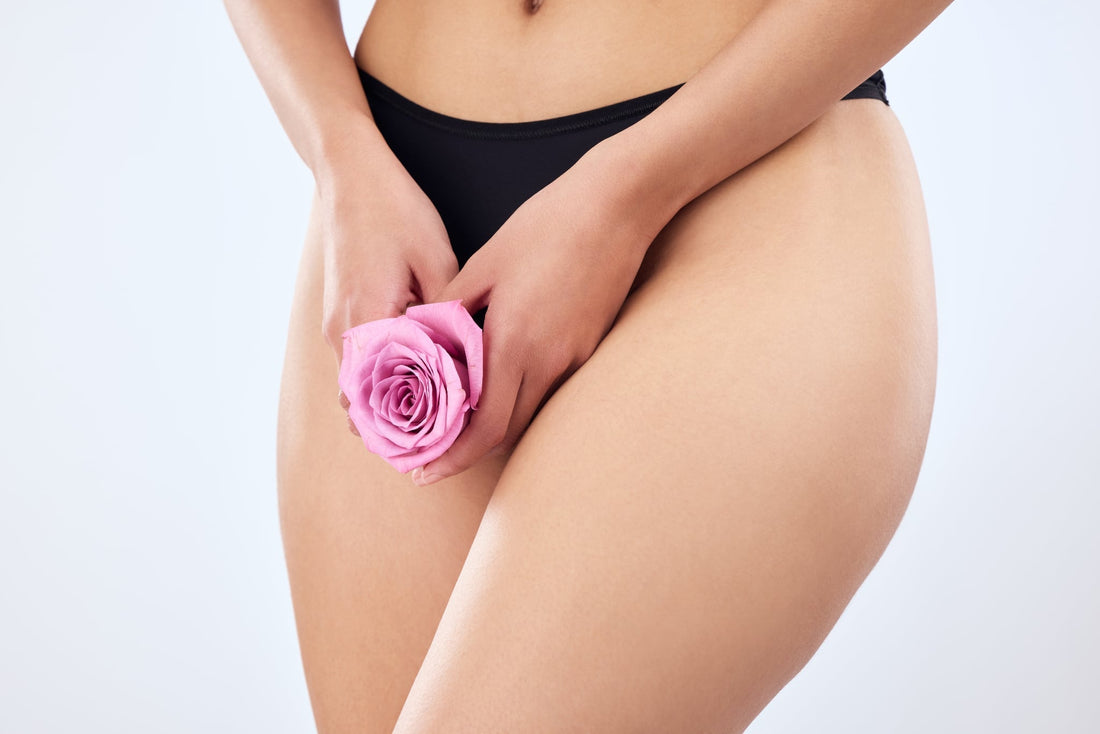
The vulva is the exterior. The visible part. The part you can look at in a mirror. It forms the entirety of the external female genitalia. Everything that surrounds, protects, and provides access to the interior.
It is there, exposed, but often forgotten. Invisible in words. Present in the body.
The parts of the vulva
Each vulva has its own shape, colors, and contours. Here are its main features:
- Labia majora: two folds of skin. They cover, they protect.
- Labia minora: thinner, sometimes long, sometimes short. They vary from woman to woman.
- Clitoris: small, but powerful. It is an erectile organ, concentrated in nerve endings. Pleasure resides there.
- Urinary meatus: a small opening just below the clitoris. Urine passes through this.
- Vaginal opening: entrance to the vagina. Visible, but not the vagina itself.
- Bartholin's glands: located internally. They produce a lubricating fluid.
- Skene's glands: often overlooked. They may also play a role in lubrication.
Each element plays a role. Together, they form a system. Sensitive. Complex. Alive.
The functions of the vulva
The vulva provides protection. It acts as a natural barrier. It covers the vaginal opening. It prevents intrusions. It blocks certain bacteria.
It gives pleasure. Thanks to the clitoris. Thanks to the sensitivity of the skin. Thanks to touch.
It allows urination. The urethral opening is separate. It is not the vagina that expels urine.
In short, it's useful. And not just a little.
Vulva and anatomical diversity
No two vulvas are alike. There is no model. No "right" shape. No standard.
Some vulvas are asymmetrical. Others have long labia. Or pigmented labia. Or thin labia. All are normal.
Diversity is the rule. Not uniformity.
What is the vagina?
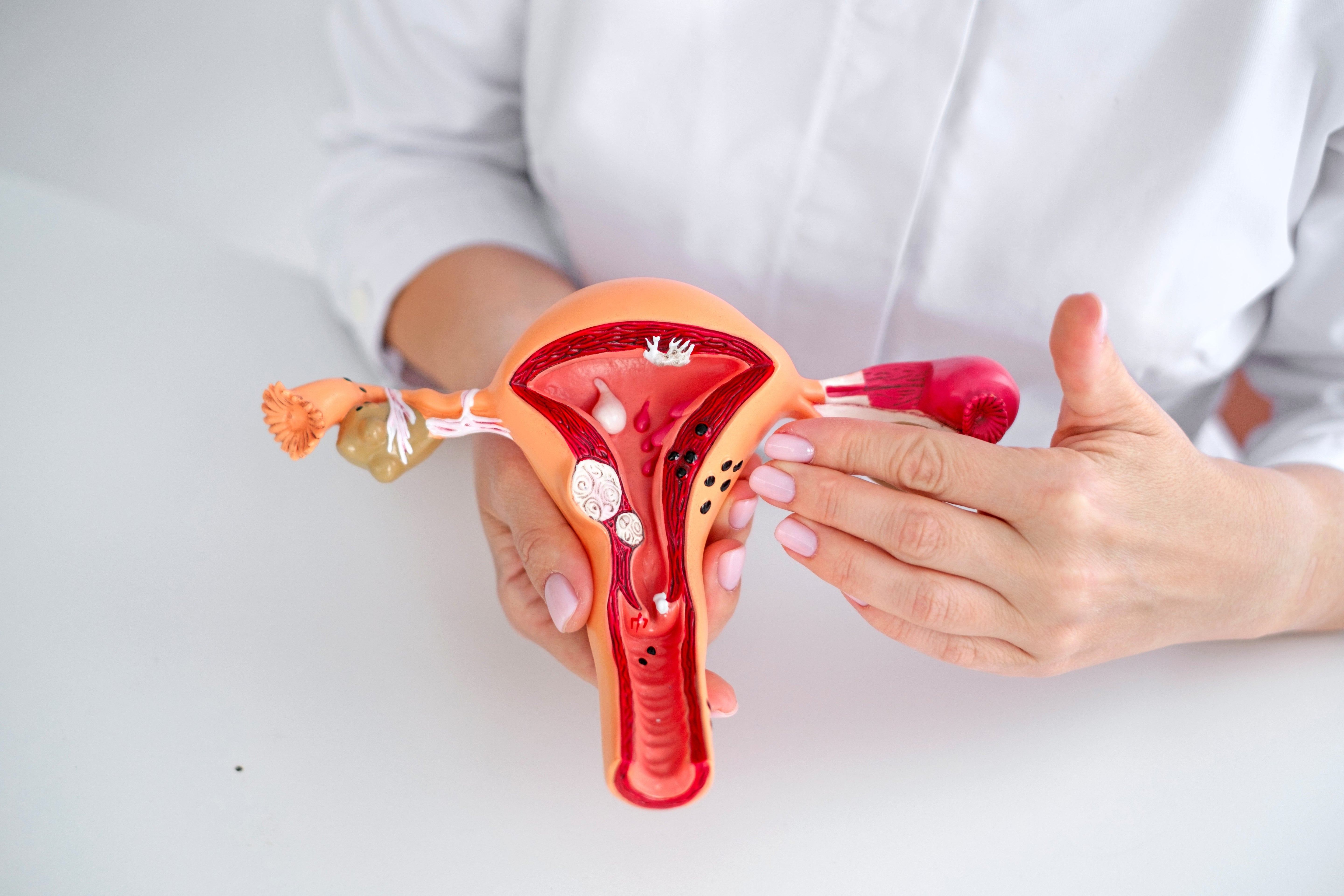
The vagina, however, is invisible. It's an internal organ. A muscular canal. Flexible. Elastic. It connects the outside to the cervix. It adapts. It reacts. It changes.
And most importantly, he's alive.
Anatomy of the vagina
- Length: between 7 and 10 cm, at rest. It can lengthen.
- Structure: It is a tube made of muscle. It can contract and relax.
- Mucous membrane: its inner wall is lined with mucous membranes. These tissues produce a natural fluid. They protect, lubricate, and cleanse.
The vagina is not an empty space. It is an active environment.
Functions of the vagina
The vagina is an integral part of sexuality. It adapts to intercourse. It facilitates penetration.
He lets the period pass. Every month. Through the vaginal opening.
It allows for childbirth. During birth, the baby passes through this canal. It widens, it opens, it welcomes.
It's not just a simple "pipe." It's an intelligent organ. That responds. That acts. That feels.
Why is it important to make the distinction?
Consequences of vulva/vagina confusion
When we say "vagina" to refer to the vulva, everything gets muddled. Intimate hygiene becomes unclear. Pain is misidentified. Medical explanations get lost.
Confusion prevents precision. And without precision, there is no proper care.
Impact on sexual and reproductive health and self-esteem
A woman who knows her body knows how to take better care of it. She recognizes the warning signs. She speaks more easily. She communicates with her partner. With her doctor. With her children, sometimes.
To know is to respect oneself. And to respect oneself is to love oneself a little more.
Medical communication and sex education
Professionals must speak clearly. Use the right words. Teach anatomy without embarrassment. Saying "vulva" is an act of education. It's not vulgar. It's not inappropriate.
Intimate hygiene tips
Each part of the female anatomy has its own needs. The inside is not washed the same way as the outside. The mucous membranes are not treated the same way as the skin.
For the vulva
- Wash gently with lukewarm water, once a day.
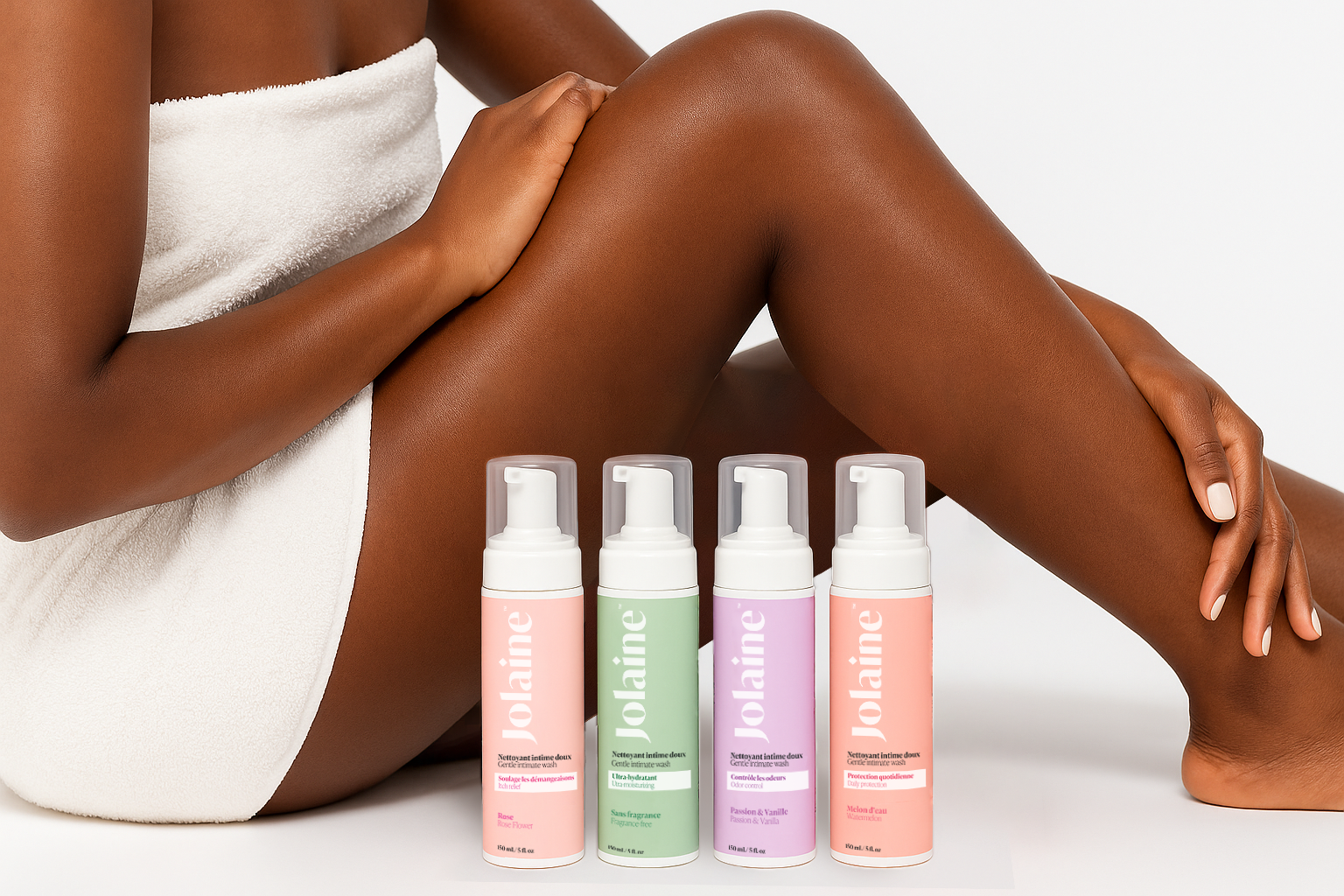
- Use a gentle intimate cleanser, formulated with natural ingredients and naturally derived fragrances, such as those offered by Jolaine Care, specially designed for feminine hygiene.
- Avoid conventional or harsh soaps, which can disrupt the balance of the vulvar area.
- Choose underwear made of cotton, which is breathable and comfortable.
- After washing, dry gently by patting, without rubbing.
A simple routine, with suitable products, helps to preserve the comfort, softness and natural balance of this sensitive area.
The vulva should be kept clean, not sterile.
For the vagina
- Do not douche. Ever.
- Let the mucous membrane do its job.
- Watch for warning signs: itching, smelly discharge, burning sensations.
- Consider using probiotics, if needed. They help the vaginal flora.
- The vagina cleans itself. It needs to be left alone.
- For tailored, healthy and respectful care, discover Jolaine Care.
Conclusion: Knowing the difference helps us know ourselves better
Vulva and vagina are not the same thing. One is outside, the other inside. One is visible, the other hidden. One protects, the other receives.
But both are indispensable. Both deserve respect, attention, and knowledge.
Knowing your body better means understanding yourself better. It also means experiencing your sexuality, comfort, and health more fully.
It's time to break the taboos. To speak with the right words. To value women's knowledge.
And to say, without embarrassment: "I know my vulva. I respect my vagina."
FAQ: Frequently Asked Questions
What is the difference between a vulva and a vagina?
The vulva is the external part: labia, clitoris, vaginal opening. The vagina is the internal part: a canal between the vaginal opening and the cervix.
Is it normal for my vulva to be different?
Yes, absolutely. The shape, size, and color vary greatly from woman to woman. There is no standard.
Can I clean the inside of my vagina?
No. The vagina is self-cleaning. Vaginal douching disrupts its natural flora and is not recommended.
What treatments should I prioritize to preserve my vaginal flora?
Gentle hygiene, a balanced diet, probiotics if needed, and breathable clothing. Avoid harsh products.
FAQ – Frequently asked questions about first periods
What do the first periods look like?
Often, they're light. The blood might be bright red. Or brown. Sometimes, just a stain in your underwear. Other times, a real little flow. All of this is normal. Every body reacts differently.
How long do first periods last?
Sometimes two days. Sometimes six. The cycle gradually establishes itself. The first few times are rarely regular. It takes time. The body finds its rhythm.
What if the periods don't return right away?
It's not serious. Nor is it unusual. After the first period, several weeks can pass. Sometimes even a few months. The body prepares itself. It adjusts to its own rhythm.
Does it hurt?
Sometimes yes. Sometimes no. Some girls get stomach aches. Others don't at all. If the pain is severe, there are ways to relieve it: a hot water bottle, a warm bath, or sometimes a small pill. If it persists, a doctor can help.
Should you wash more often during your period?
Not necessarily. But better. With an intimate cleanser, not a regular soap. The right product respects the vaginal flora. It cleanses without irritating. Jolaine's Daily Protection Foam is perfect for this.
Can you use an intimate cleanser every day?
Yes, if the product is gentle and natural, like Jolaine mousse. It contains watermelon extract, supports the skin's flora, protects the pH balance, and smells lovely without being overly perfumed. It's designed for sensitive skin.
What if it starts at school?
Don't panic. We'll go to the toilet. We'll use what we have in the kit: a pad, clean underwear, and a wipe. If needed, we'll ask the nurse or a friend.
When should you consult a professional?
If the pain is severe, if the flow is too heavy, or if anything seems abnormal, a doctor can explain, reassure, and check that everything is alright.
Thank you for reading and for being part of the community. Jolaine Care , where every woman deserves to feel good, beautiful and confident.
Any questions? Write to us: info@jolainecare.com .
Stay close. Follow us, discover our latest news, tips and inspiration:
Facebook | Instagram | TikTok
Gently,
The Jolaine Care team